How to Prevent Sports Injuries
Participating in sports and physical activities is an excellent way to maintain fitness, improve overall health, and enhance mental well-being. However, sports-related injuries can occur when proper precautions are not taken. Whether you are a professional athlete or a recreational sports enthusiast, understanding injury prevention strategies can help you stay active and perform at your best.
Why Sports Injuries Occur
Sports injuries commonly result from:
-
Poor warm-up routines
-
Overtraining
-
Incorrect exercise techniques
-
Inadequate equipment
-
Muscle weakness or imbalance
-
Lack of flexibility
-
Sudden increase in training intensity
Fortunately, many of these injuries can be prevented with proper preparation and awareness.
1. Always Warm Up Before Activity
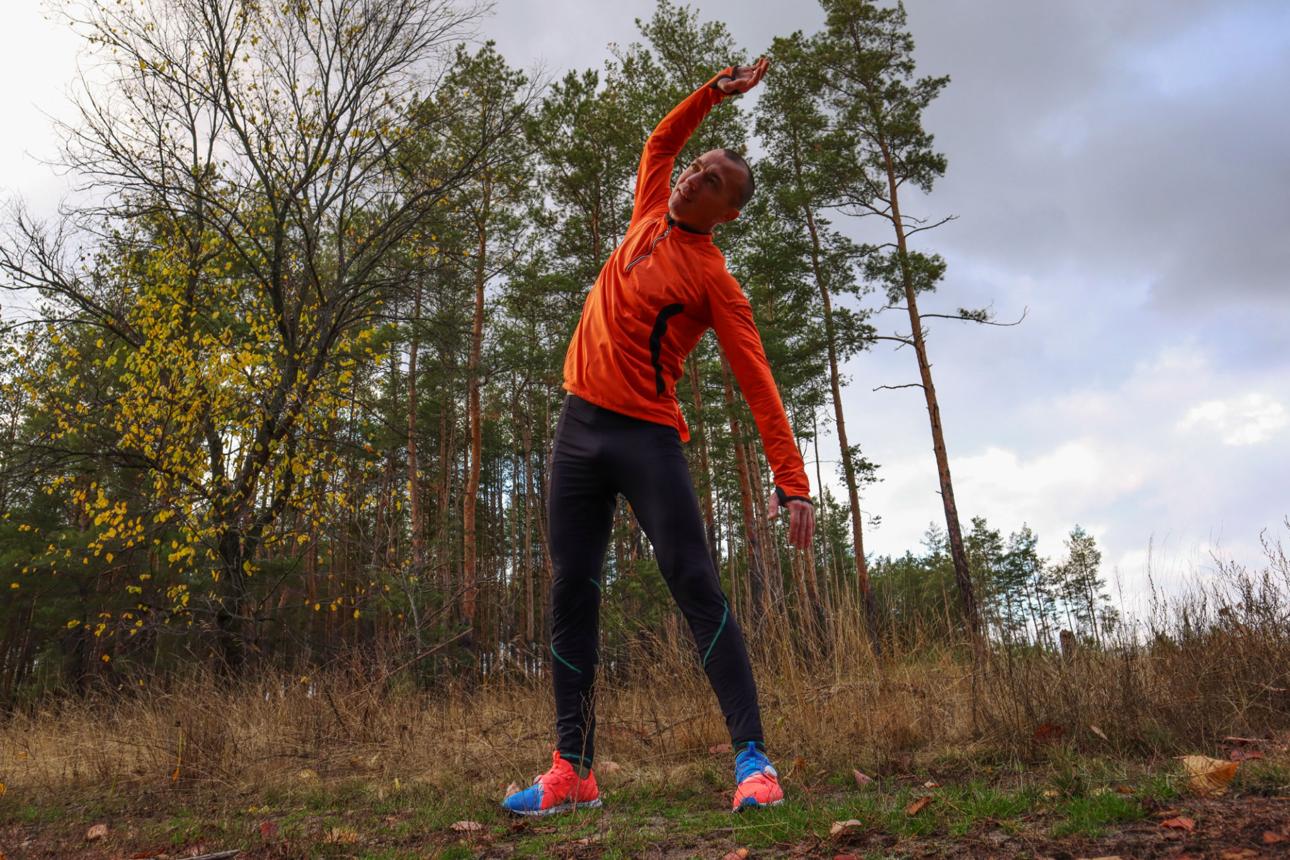
A proper warm-up prepares your muscles, joints, and cardiovascular system for physical activity. Spend 5 to 10 minutes performing light aerobic exercises and dynamic stretches before training or competition.
Benefits of warming up include:
-
Increased blood flow to muscles
-
Improved flexibility
-
Reduced risk of muscle strains
-
Better athletic performance
2. Use Proper Technique
Incorrect form is one of the leading causes of sports injuries. Whether you are running, lifting weights, playing football, or participating in any sport, learning the correct technique is essential.
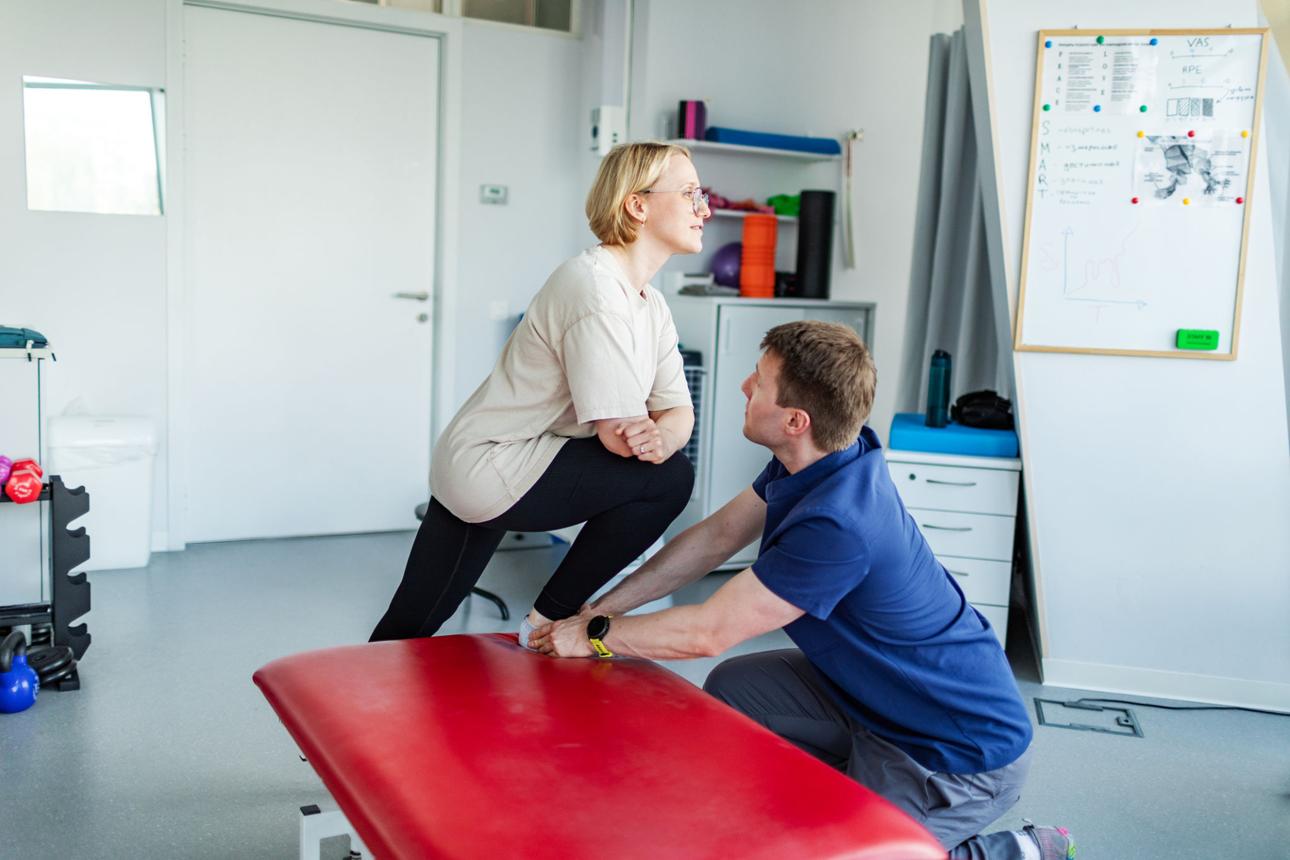
Consider working with a qualified coach or trainer to ensure proper movement patterns.
3. Wear Appropriate Protective Equipment
Protective gear significantly reduces injury risk. Depending on the sport, this may include:
-
Helmets
-
Knee pads
-
Shin guards
-
Wrist supports
-
Proper footwear
-
Mouthguards
Ensure all equipment fits properly and is regularly inspected for damage.
4. Strengthen Supporting Muscles
Strong muscles provide stability and support for joints. Incorporate strength training exercises into your fitness routine to improve balance, coordination, and injury resistance.
Focus on:
-
Core muscles
-
Leg muscles
-
Hip stabilizers
-
Shoulder muscles
5. Stay Flexible
Regular stretching improves flexibility and range of motion. Flexible muscles are less likely to become strained during physical activity.
Include stretching exercises after workouts when muscles are warm.
6. Avoid Overtraining
Training too hard without adequate recovery can lead to fatigue, decreased performance, and increased injury risk.
Warning signs of overtraining include:
-
Persistent muscle soreness
-
Fatigue
-
Poor performance
-
Sleep disturbances
-
Frequent injuries
Schedule rest days and allow your body sufficient time to recover.
7. Stay Hydrated and Maintain Proper Nutrition
Proper hydration and nutrition are crucial for muscle function and recovery.
Tips include:
-
Drink water before, during, and after exercise
-
Consume balanced meals rich in protein, carbohydrates, and healthy fats
-
Replace electrolytes during intense activities
8. Listen to Your Body
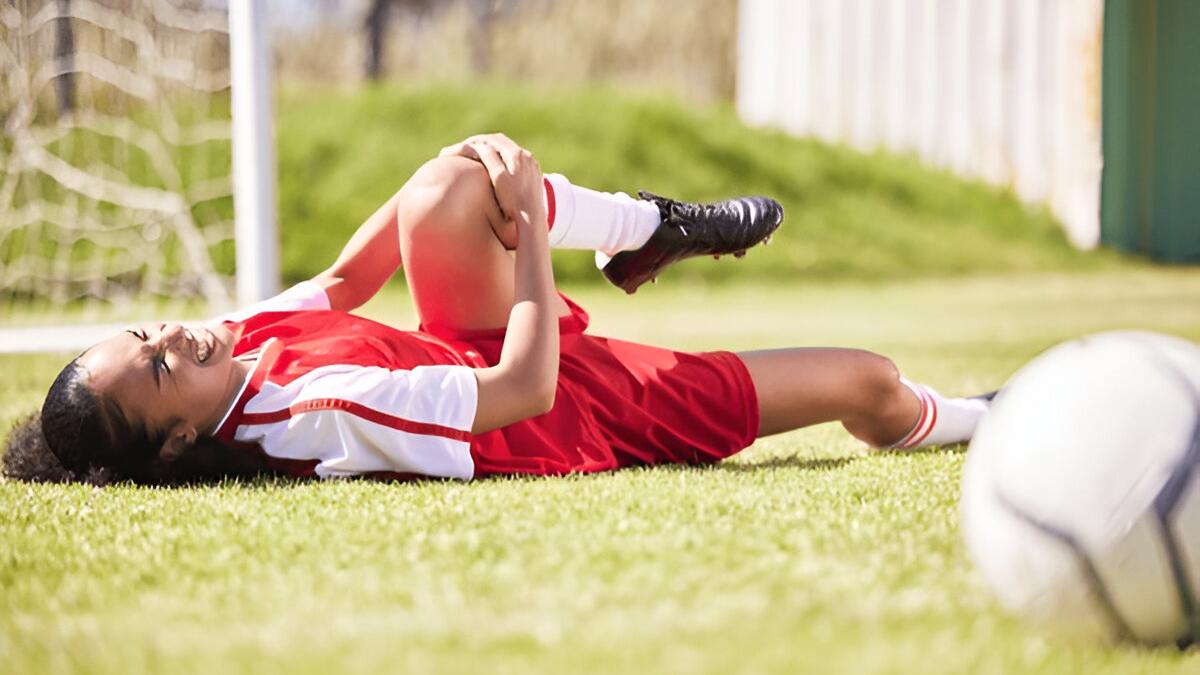
Pain should never be ignored. Continuing to play through pain can worsen minor injuries and lead to more serious problems.
Seek medical advice if you experience:
-
Persistent pain
-
Swelling
-
Joint instability
-
Reduced range of motion
Common Sports Injuries
Some frequently encountered sports injuries include:
-
Sprains and strains
-
Knee injuries
-
Shoulder injuries
-
Tennis elbow
-
Shin splints
-
Ankle injuries
-
Stress fractures
Early diagnosis and treatment help ensure faster recovery and prevent complications.
When to Consult an Orthopaedic Specialist
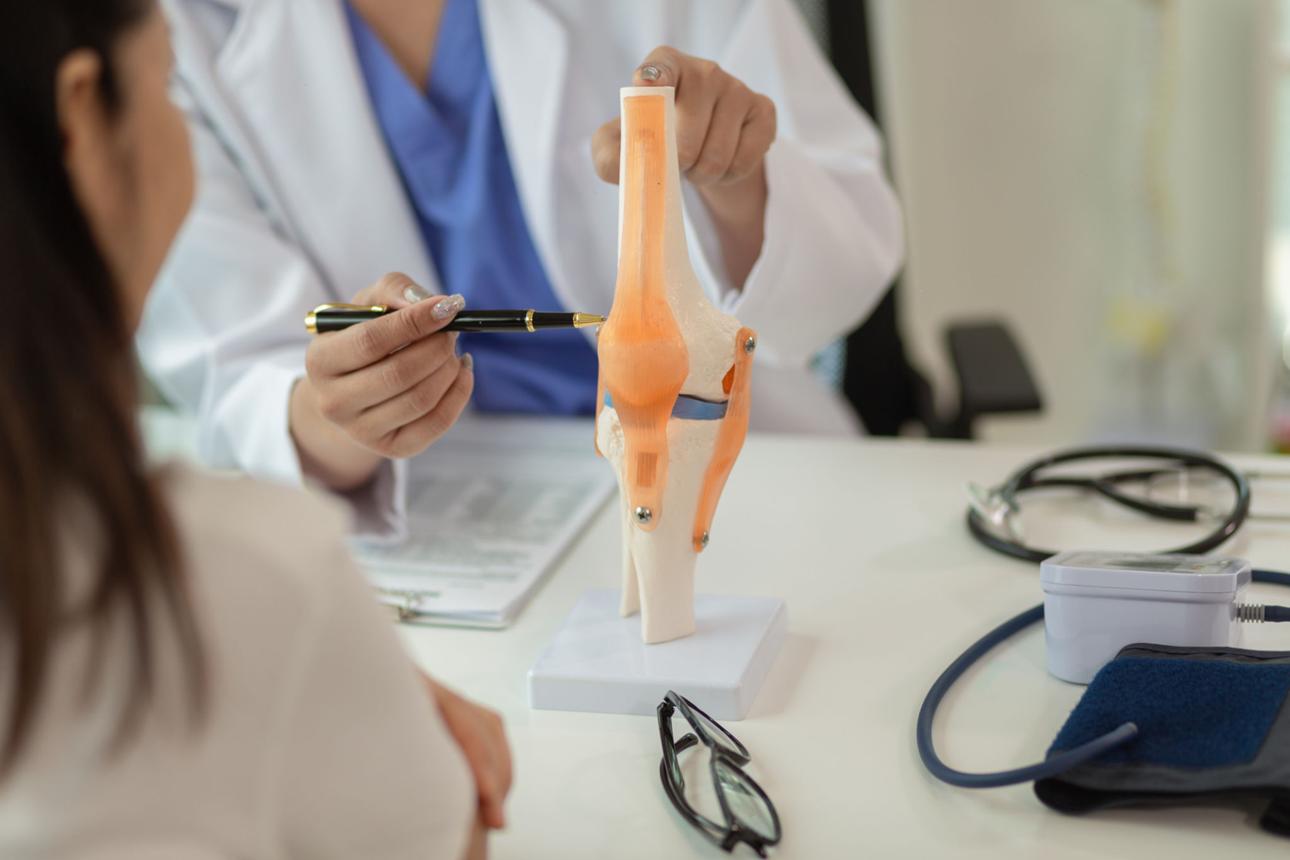
If you experience recurring injuries, persistent pain, or difficulty returning to sports activities, consult an orthopaedic specialist. Professional evaluation can identify underlying issues and provide appropriate treatment and rehabilitation plans.
Conclusion
Sports injuries can often be prevented through proper preparation, training techniques, strength conditioning, and adequate recovery. By taking proactive measures and listening to your body's signals, you can enjoy sports safely while maintaining long-term joint and muscle health.