Common Causes of Lower Back Pain
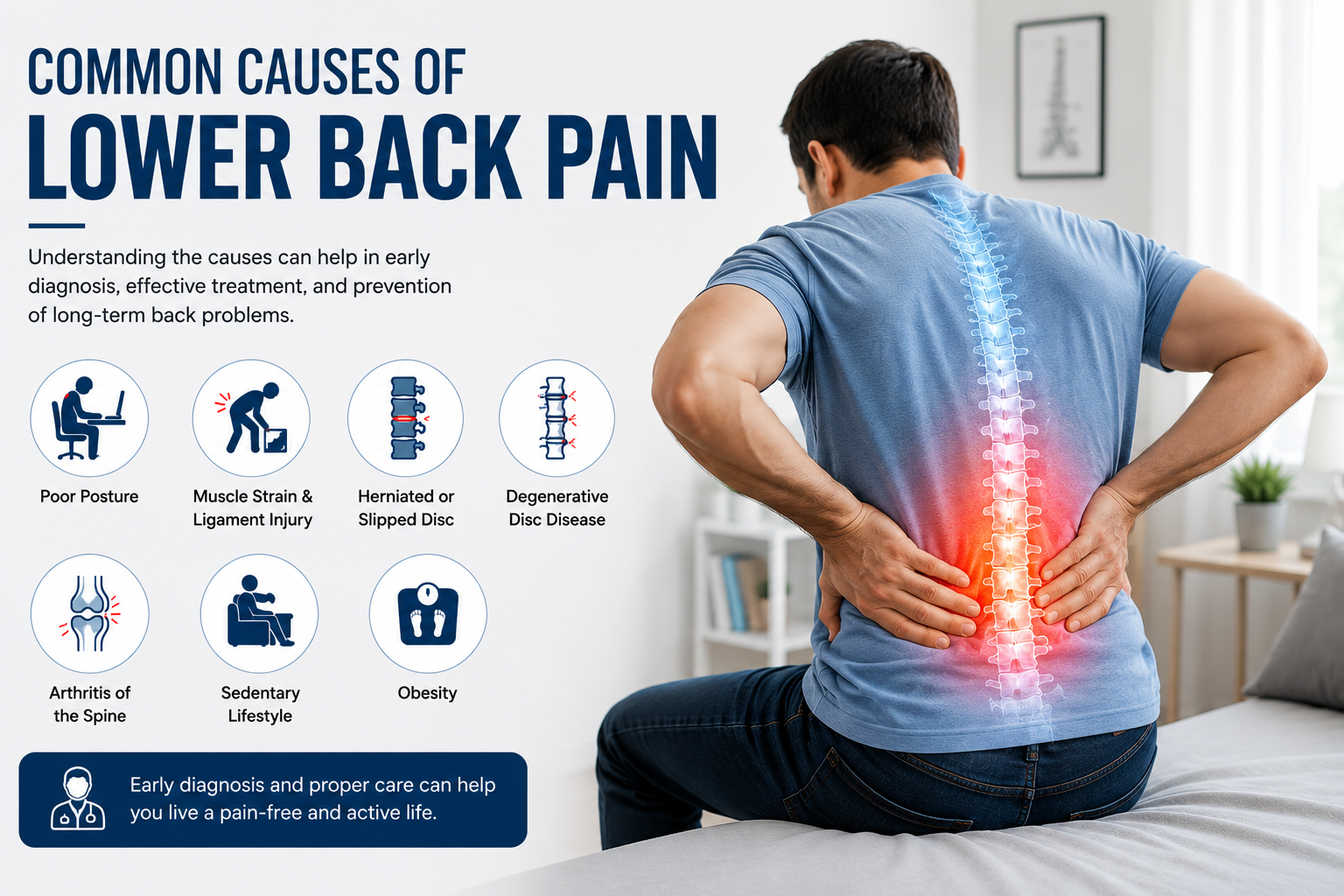
Lower back pain is one of the leading causes of discomfort and disability worldwide. It can affect people of all age groups and may range from mild stiffness to severe pain that interferes with daily activities. Understanding the underlying causes of lower back pain can help in early diagnosis and effective treatment.
1. Poor Posture
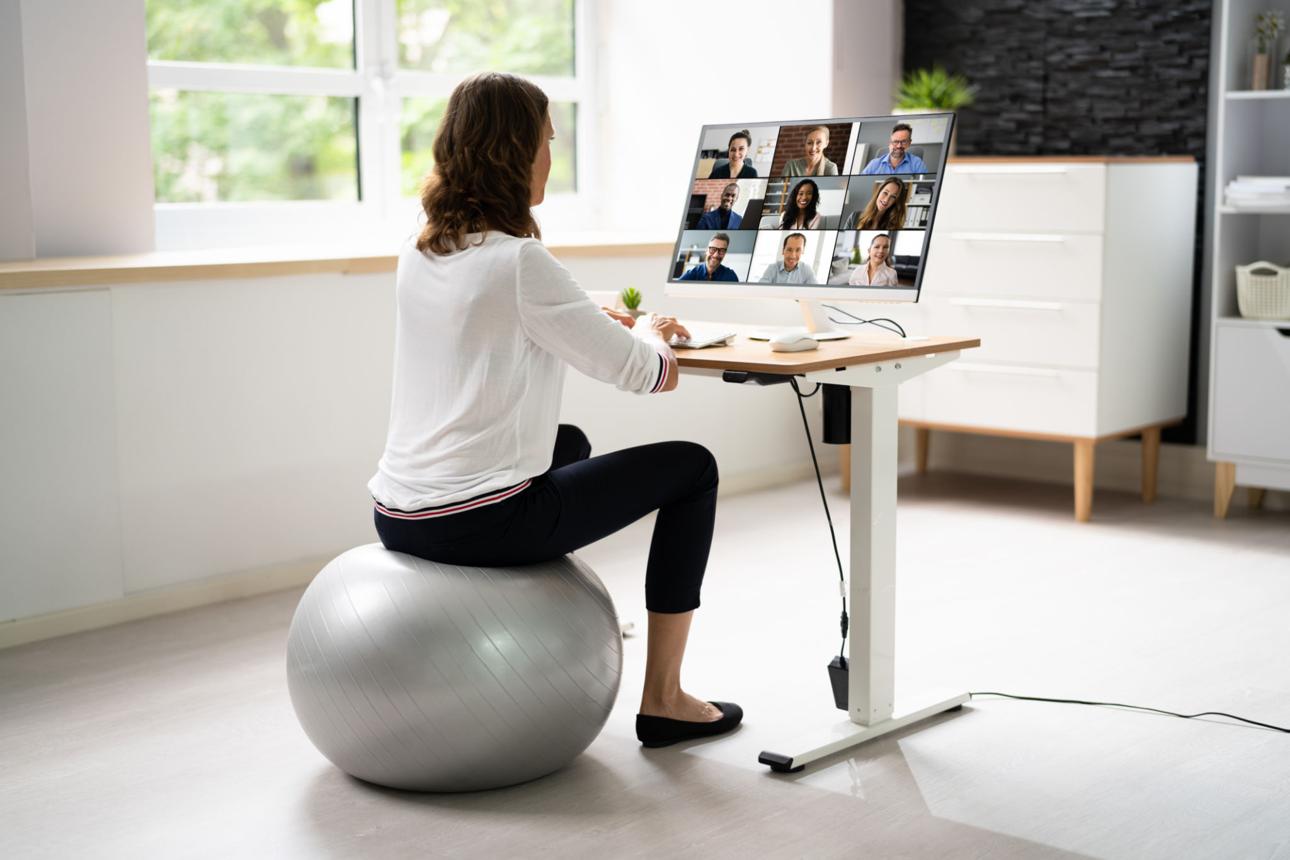
One of the most common causes of lower back pain is poor posture. Sitting for long hours with improper spinal alignment puts excessive stress on the muscles and ligaments of the lower back.
Common Posture Mistakes:
- Slouching while sitting
- Working on a laptop without proper support
- Standing with uneven weight distribution
- Looking down at mobile phones for extended periods
2. Muscle Strain and Ligament Injury
Sudden movements, heavy lifting, or overexertion can strain the muscles and ligaments supporting the spine. These injuries often cause localized pain, stiffness, and reduced mobility.
Symptoms:
- Muscle spasms
- Tenderness
- Difficulty bending or twisting
- Pain that worsens with movement
3. Herniated or Slipped Disc
The discs between the vertebrae act as shock absorbers. When a disc bulges or ruptures, it may press on nearby nerves and cause pain.
Symptoms:
- Sharp lower back pain
- Pain radiating to the legs
- Numbness or tingling
- Muscle weakness
4. Degenerative Disc Disease
As we age, spinal discs naturally lose hydration and flexibility. This wear and tear can result in chronic lower back pain and stiffness.
Risk Factors:
- Aging
- Smoking
- Obesity
- Repetitive physical stress
5. Arthritis of the Spine
Osteoarthritis can affect the joints of the spine, leading to inflammation, stiffness, and discomfort. In severe cases, it may narrow the spinal canal and compress nerves.
Symptoms:
- Morning stiffness
- Reduced flexibility
- Chronic aching pain
- Difficulty walking long distances
6. Sedentary Lifestyle
Lack of physical activity weakens the core and back muscles that support the spine. Weak muscles increase the risk of back pain and injuries.
Prevention:
- Regular walking
- Stretching exercises
- Strength training
- Maintaining healthy body weight
7. Obesity
Excess body weight places additional stress on the spine, especially the lower back. Over time, this can contribute to disc degeneration and chronic pain.
When Should You See a Doctor?
Seek medical attention if you experience:
- Pain lasting more than a few weeks
- Severe or worsening pain
- Numbness or weakness in the legs
- Difficulty walking
- Loss of bladder or bowel control
- Pain following an injury or accident
Treatment Options
Depending on the cause, treatment may include:
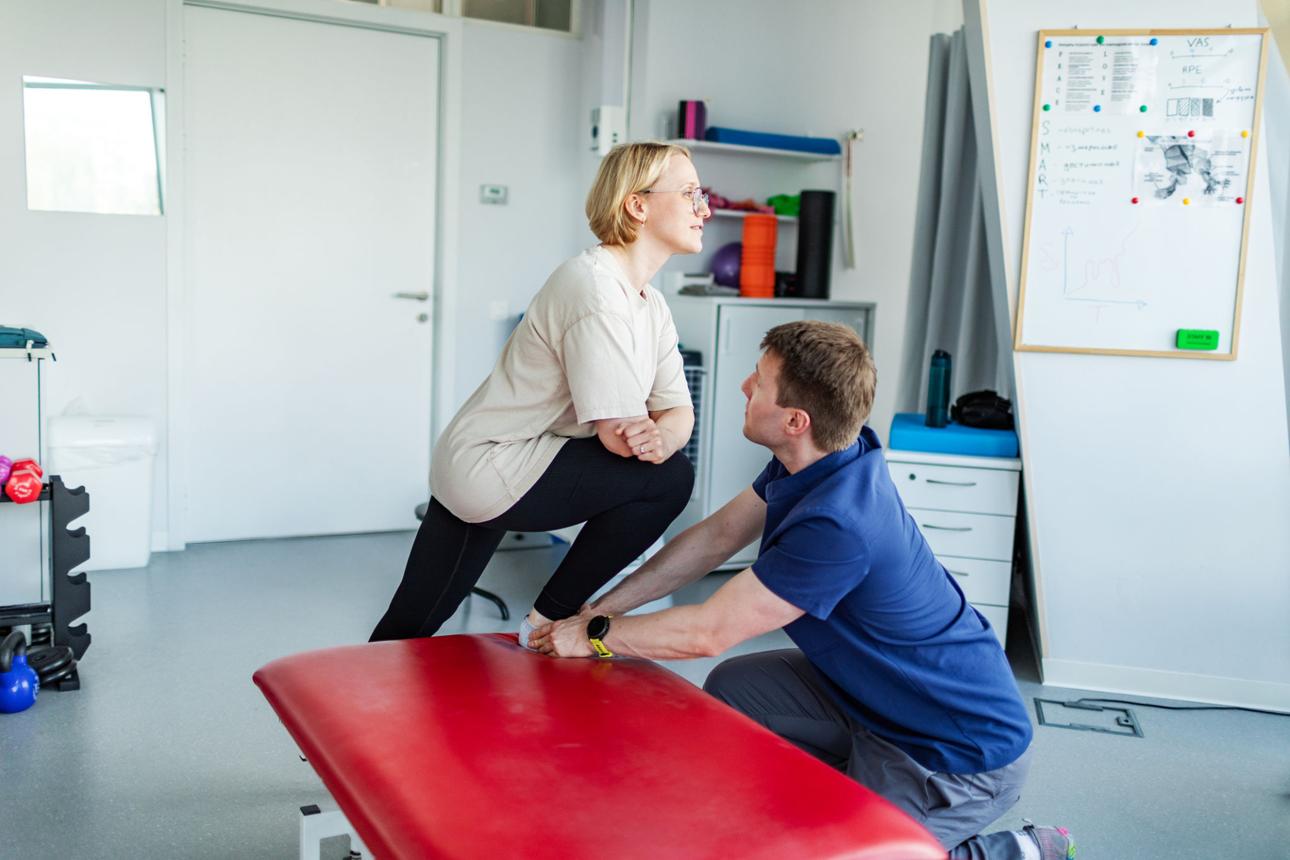
- Physical therapy
- Pain management medications
- Lifestyle modifications
- Posture correction
- Exercise programs
- Minimally invasive procedures
- Surgical treatment in advanced cases
Tips for Preventing Lower Back Pain
- Maintain good posture
- Exercise regularly
- Strengthen core muscles
- Lift heavy objects correctly
- Maintain a healthy weight
- Take breaks during prolonged sitting
- Use ergonomic furniture
Conclusion
Lower back pain can significantly affect quality of life, but understanding its causes is the first step toward effective prevention and treatment. Early diagnosis and proper management can help individuals maintain an active, pain-free lifestyle. If you experience persistent or severe back pain, consult an orthopaedic specialist for a comprehensive evaluation and personalized treatment plan.